
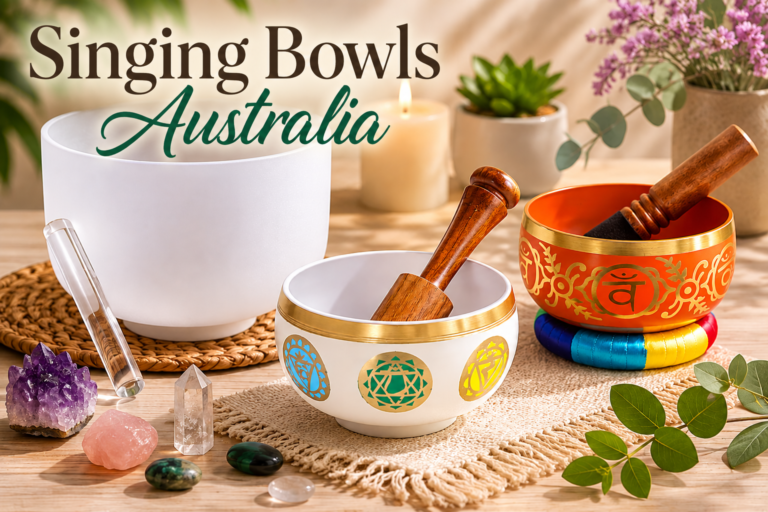
The first time you hear a singing bowl, something shifts. That warm, resonant hum seems to slow everything down, your thoughts, your breath, even time itself.
In Australia, singing bowls have become one of the fastest-growing product categories in the local wellness and spiritual gift market. These ancient instruments, rooted in over 2,000 years of Himalayan tradition, have found a very modern audience across Australia’s booming sound healing, meditation, and mindfulness space.
But not all singing bowls are equal. Finding the right one, whether you’re a curious beginner, a wellness practitioner, or a gift retailer sourcing stock, depends entirely on your goal.
So, this guide helps you discover the different types of singing bowls in Australia. You’ll explore their science-backed benefits, how to use them, and exactly what to look for when buying one for personal or retail use.
What Are Singing Bowls?
A singing bowl is a type of standing bell. It sits on a flat surface rather than hanging and produces rich harmonic sound when struck or rimmed with a mallet.
Unlike normal bells, the singing bowl can maintain its pitch for quite a long time, thus resulting in vibratory layers.
Originating in the Himalayan region of Tibet, Nepal, and Bhutan over 2000 years ago, the singing bowls have been in use as part of Buddhist rituals, meditations, and ceremonies throughout their existence. Nowadays, they are widely used for sound therapy, meditation, chakra balancing, yoga, and mindfulness exercises.
There are many alternative names for singing bowls like Tibetan singing bowls, meditation bowls, sound bowls, chakra bowls, and prayer bowls; all of which mean the same thing.
In Australia, the increased interest in well-being practices such as yoga, along with a new age movement, has seen singing bowls become a backbone of the wellness retail market.
Types of Singing Bowls Available in Australia
There are several distinct types of singing bowls, each with its own material, sound character, and ideal use case. Knowing the difference helps you choose the right bowl for your purpose, or stock the right range for your customers.
- Tibetan / Himalayan Metal Bowls are the most popular form. Made of hand hammered bronze alloy, they produce complex overtones, which feel like a physical vibration. Explore our Tibetan singing bowls suitable for meditation, sound healing.

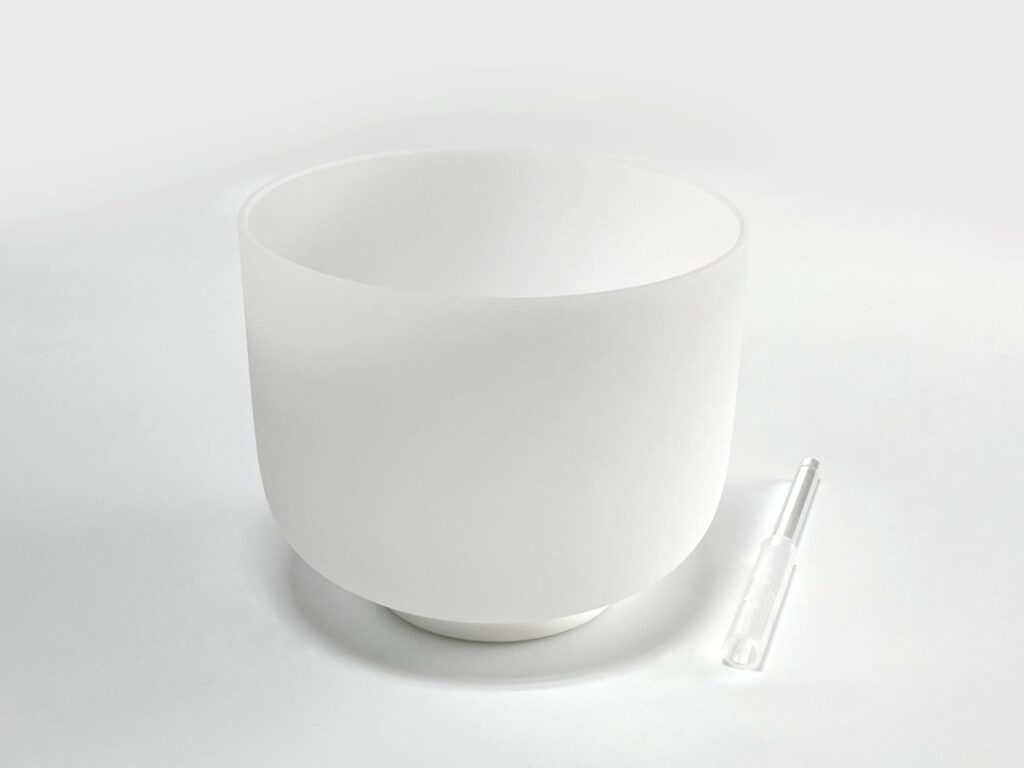
- Crystal / Quartz Singing Bowls are made of high-grade quartz crystal and produce a single and long-lasting sound. Usually tuned to certain chakra frequencies, they suit very well for sound therapy. Explore our crystal frosted white singing bowls.
- Bronze Hand Hammered Bowls are made by master craftsmen according to traditional methods in Himalayas. Bell metal bronze used by the artisans guarantees high-quality sound.
- Painted/Decorative Bowls are singing bowls decorated with exquisite enamel paintings. They are one of the best-selling bowls in Australia as they can be seen as art objects too.
- Aluminium Bowls are lightweight and inexpensive bowls. They suit very well beginners or as a present for newbies of singing bowls practice.
Singing Bowl Type | Material | Sound Character | Best For |
Tibetan / Himalayan Metal | Bronze alloy (copper, tin) | Deep, warm, resonant overtones | Meditation, sound therapy, yoga |
Crystal / Quartz | High-purity quartz | Clear, bright, pure tones | Chakra work, sound baths |
Bronze Hand-Hammered | Bell metal bronze | Rich, complex harmonics | Practitioners, healers |
Painted / Decorative | Metal + enamel/paint | Varies by size | Gifting, home décor, retail display |
Aluminium | Lightweight aluminium | Lighter, softer tones | Entry-level, beginner retail |
7 Proven Benefits of Singing Bowls: What the Research Says
The advantages of singing bowls include relaxation, better sleep, mediation assistance, and energy balance, making them highly versatile instruments for sound healing practices.
Let’s take a detailed look at each of the benefits mentioned above:
Stress and Anxiety Reduction
A singing bowl creates vibrations that activate the parasympathetic nervous system, responsible for the physiological responses such as digestion and relaxation. Studies conducted on sound meditation showed that after using singing bowls, the levels of perceived anxiety and tension were lowered significantly.
Better Sleep Quality
A singing bowl can be a component of the preparation for sleep. Many specialists use their resonance to induce relaxation and bring one’s mind to peace, which is why the search for singing bowl sleep meditation became one of the most popular in Australia.
Deep Meditation Support
Using a singing bowl for meditation allows you to anchor your mind to the sound. Whenever your mind wanders away, singing bowl’s sound brings it back effortlessly.
Chakra Balancing
In both Hindu and Buddhist traditions, each energy centre of the body (chakra) is believed to correspond to a specific frequency. Crystal singing bowls are often tuned to precise notes; C for the root chakra, D for sacral, E for solar plexus, and so on. This makes them central tools in energy healing and chakra therapy practice.
Pain Relief and Physical Relaxation
The physical vibration produced by a singing bowl, particularly larger hand-hammered varieties, creates a full-body resonance effect. Sound therapists place bowls directly on the body or nearby to facilitate this. A technique used in therapeutic sound massage and body-oriented healing sessions.
Emotional Release and Mental Clarity
Group sound baths; sessions in which participants lie down while a practitioner plays singing bowls, have become widely popular in Perth, Melbourne, and Sydney as a tool for emotional processing, stress release, and mental reset. They are increasingly incorporated into trauma-informed wellness and counselling-adjacent practices.
Spiritual Connection and Mindfulness
Singing bowls have a 2,000-year spiritual lineage in Tibetan Buddhism and Himalayan traditions. In secular contexts, they are used to mark the beginning and end of meditation sessions, enhance ritual, and create sacred space. Their ability to “signpost” transitions makes them valuable in both personal practice and facilitated group wellness settings.
How to Use a Singing Bowl: Step-by-Step Beginner’s Guide
Using a singing bowl is simple. But a little technique makes all the difference between a flat strike and a bowl that sings for 30 seconds.
Method 1: Striking
Rest the bowl on the open palm of your non-dominant hand. Using a padded or wooden mallet, gently strike the outer rim or side of the bowl at about a 45-degree angle. Let the mallet fall away naturally and allow the tone to sustain fully before striking again. This method is the easiest starting point for beginners.
Method 2: Rimming
Grip the bowl in a way described above. Place the mallet against the rim of the bowl and slowly rub it in circular movements around the bowl. As you perform these movements several times, the sound should start to originate from the bowl and increase in volume.
Preparing Your Environment
Ensure that you choose a location without any form of noise in your surrounding area. Sit comfortably; if possible, sitting cross-legged is recommended. Other people prefer burning incense or candles during the process. You may try some of our aromatherapy or incense ranges that match perfectly with your singing bowl.
Singing Bowls for Beginners
- Master hitting the bowl before moving onto rubbing it; it is less complicated
- Buy smaller sized bowls (between 10–13cm)
- Work at your own pace since rushing through the process goes against the very essence of the practice
- Pick up the bowl lightly
Singing Bowl Maintenance & Cleaning
- Clean the bowl using a clean dry cloth
- Avoid any abrasive cleaners or solvents while cleaning
- Take care not to knock the bowl against any object
- The bowl should be kept on its cushion when not in use
For specific product recommendations, see our guide to the 15 best singing bowls. This includes detailed picks for different purposes.
Singing Bowls in Australian Wellness Culture
So, why are singing bowls so popular in Australia right now?
The wellness industry in Australia has witnessed a significant amount of success during the last 10 years. Sound healing, which was earlier regarded as an unconventional therapy, has been brought into the limelight by the increasing interest in meditation, yoga, and evidence-based complementary medicine.
Today, sound baths have become a part of almost all the well-known wellness festivals and yoga studios across all the big cities of Australia. The popularity of the wellness industry in Perth, especially, has increased dramatically. This is because of the presence of many independent yoga studios, holistic therapists, reiki masters, and metaphysical stores.
Who uses singing bowls in Australia?
- Yoga studios (as session openers and closers)
- Meditation teachers and mindfulness coaches
- Reiki and energy healing practitioners
- Spa and wellness therapists
- School wellbeing programs
- Boutique gift and homewares retailers
- Home users seeking daily stress relief
From a retail perspective, singing bowls represent an excellent category: they’re visually appealing, gift-friendly, have broad demographic appeal, and carry strong emotional associations with relaxation and wellbeing. Gift sets; a bowl, mallet, and cushion packaged together, are among the strongest-selling wellness gift items in the Australian market.
The growing popularity of sound baths as ticketed group experiences in Perth, Melbourne, and Sydney is also driving significant consumer pull-through at retail level, as attendees seek to recreate the experience at home.
How to Choose the Right Singing Bowl: A Practical Buyer’s Guide
Choosing the right singing bowl depends on three factors: size, material, and purpose.
Here’s how to approach each.
Choosing by Size
Size | Pitch | Best For |
Small (10–13cm) | Higher, brighter tone | Desk meditation, gifts, beginner retail |
Medium (13–18cm) | Balanced, versatile tone | Yoga, personal practice, general retail |
Large (18cm+) | Deep, resonant bass | Sound therapy, group sound baths, practitioners |
Choosing by Material
- Metal (bronze/brass): Durable, traditional, available across a wide price range. Excellent retail sell-through across beginner to mid-range tiers. The majority of singing bowls sold in Australian gift retail fall into this category.
- Crystal (quartz): Higher price point, premium gifting potential. Particularly popular with sound healers, chakra practitioners, and experienced meditators. Suits metaphysical shops and wellness-specialist retailers.
Choosing by Purpose
Purpose | Recommended Bowl |
Personal meditation | Any size; choose the sound you connect with most |
Gift retail | Painted decorative sets with mallet and cushion |
Sound therapy / healing sessions | Large, hand-hammered Himalayan metal bowl |
Yoga studio use | Medium bronze; durable, easy to play |
Children’s mindfulness programs | Small, painted decorative bowls |
What Wholesale Buyers Should Look for in Quality
If you’re sourcing singing bowls for retail, quality control matters. Here’s what to assess:
- Resonance: Strike the bowl and let it sustain. A good bowl rings clearly and evenly for several seconds with no dead spots or rattling.
- Rim finish: There should be no rough spots on the bowl’s rim that could potentially snag the skin and hammer.
- Hammer mark uniformity: For hand hammered bowls, consistent markings can be an indicator of quality manufacturing.
- Package ready: Bundled products (bowl + mallet + cushion combo) make it easier for retailers to sell their products since packaging is reduced.
- Reliability of supplier: It’s mandatory for a company to have steady stock levels and be able to provide products according to Australian import requirements.
Wholesale Singing Bowls Australia: What Retailers Need to Know
Singing bowls are one of the most retailer-friendly product categories in the Australian wellness gift market, and the numbers back it up.
Why they work as a retail category:
- Lightweight and easy to freight with minimal breakage risk
- Strong gift appeal across age groups and demographics
- Broad price ranges from $30 entry-level to $300+ premium sets
- High visual impact on retail shelving and display
- Repeat purchase potential; customers often return for additional styles or gift sets
- Natural cross-sell with incense, aromatherapy, crystals, and Himalayan salt products
Best-selling singing bowls in Australian gift and wellness retail:
- Tibetan hand-hammered sets (bowl, mallet, cushion)
- Chakra-coloured painted bowls
- Mini desk bowls (entry-level gifting)
- Decorative gift sets in display-ready packaging
Ready to stock singing bowls that actually sell?
Buy Wholesale Singing Bowls from Perth’s Most Experienced Supplier – God Gift
We’ve been operating as one of Western Australia’s largest wholesale gift suppliers for over 25 years from our Malaga, Perth warehouse. Our singing bowl range includes Tibetan hand-hammered sets, painted decorative styles, crystal options, and gift-ready sets; all at trade pricing designed to support healthy retail margins.
We supply gift shops, yoga studios, wellness centres, and metaphysical retailers across WA and nationally.
FAQs About Singing Bowls Australia
- What is a singing bowl used for?
Singing bowls are used for meditation, sound healing, chakra balancing, yoga practice, stress relief, and spiritual rituals. They produce sustained harmonic tones when struck or rimmed with a mallet, creating a deeply calming auditory experience.
- Are Tibetan singing bowls the same as crystal singing bowls?
No, Tibetan singing bowls are metal alloys, usually made up of bronze. They emit warm, intricate harmonic overtone tones. Crystal singing bowls, on the other hand, are pure quartz bowls emitting a cleaner, single tone. Both types are used in sound healing therapy, but each serves a particular purpose for specific practitioners.
- Are singing bowls good for meditation?
Yes. Singing bowls are one of the most effective meditation aids for beginners and experienced practitioners alike. The sustained tone anchors attention, reduces mind-wandering, and helps guide the brain into a calmer alpha brainwave state.
- How much do singing bowls cost in Australia?
Singing bowl retail prices in Australia typically range from around $30–$50 for small entry-level metal bowls to $1500 or more for large, premium, authentic, hand-hammered Himalayan sets. Crystal singing bowls generally sit at the higher end of the price spectrum.
- Where can I buy wholesale singing bowls in Australia?
God Gift is one of Australia’s top singing bowl wholesalers. For over 25 years now, we have been providing singing bowls in various designs including Tibetan hand hammer, Tibetan painted bowls, and crystal singing bowls.
- How do I know if a singing bowl is good quality?
If you strike the singing bowl, listen for a clear tone that does not rattle or die away within a second or two. The bowl should have a clean, polished rim that is not jagged in any way, and for hand hammered singing bowls, there should be a consistent pattern of hammering on the bowl itself. Buying from quality checked singing bowls wholesale suppliers can reduce your chance of purchasing a poor-quality bowl.
- Are singing bowls good for beginners?
Absolutely. Small metal singing bowls (10–13cm) with a padded striker mallet are the easiest starting point. They’re forgiving to play, produce a pleasant tone without much technique. Also, they are available at an accessible price point.
- Do singing bowls come with a mallet and cushion?
Singing bowls come as full packages which comprise of the bowl, mallet and cushion for it. In most cases, this happens when you buy them at stores that sell them for gift purposes.
- Can singing bowls be used for children or in schools?
Yes, small, decorated singing bowls are ideal for mindfulness practices among young children and therefore suitable for use in school programs focused on wellbeing and mindfulness for kids in Australia.